

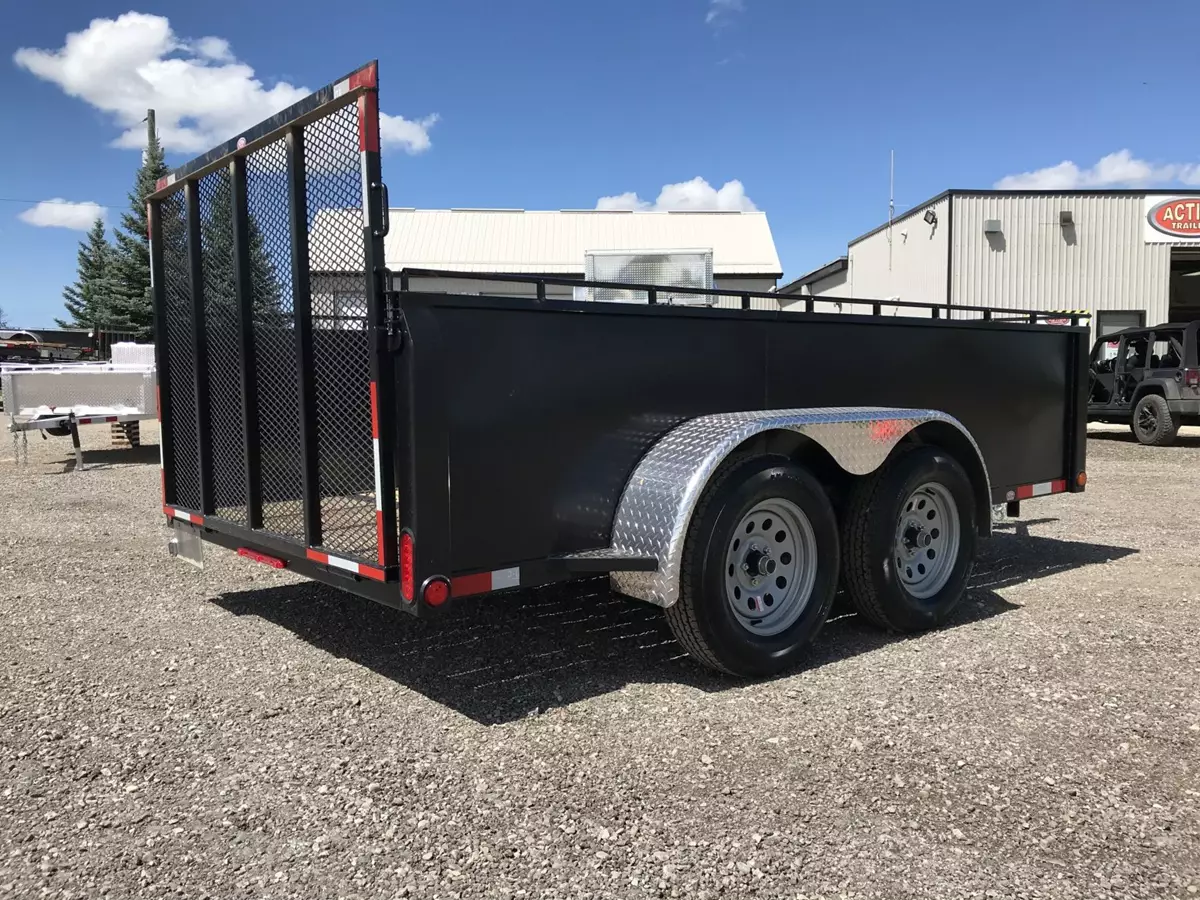
Rental Trailers | Comparing Single-Axle vs. Dual-Axle Trailers
 Neighbors Trailer
Oct 31, 2022 818 6 min read trailer axle
When you are searching for a rental trailer, one of the most important decisions you will make is choosing between a single-axle and a dual-axle configuration. The axle count affects how much you can haul, how stable the trailer feels on the road, how easy it is to maneuver, and what your tow vehicle will need to handle the load. This guide breaks down both configurations so you can confidently pick the right trailer for your job.
What Is a Single-Axle Trailer?
A single-axle trailer has one axle with a pair of wheels supporting the rear of the trailer. The design is compact and lightweight, making single-axle trailers easier to maneuver and well suited to lighter hauling tasks. Because there are fewer moving parts, they are generally less expensive to own, maintain, and rent. Single-axle trailers are ideal for weekend moves, landscaping projects, small equipment hauls, and any job where the load stays within a few thousand pounds.
What Is a Dual-Axle Trailer?
A dual-axle trailer (also called a tandem-axle trailer) has two axles positioned close together near the rear of the trailer. The second axle spreads the load across four tires instead of two, which increases stability, raises the maximum payload capacity, and reduces wear on any single tire. Dual-axle trailers are the right choice when hauling heavy equipment, multiple vehicles, bulk materials, or anything that pushes toward or beyond the limits of a single-axle unit.
Single-Axle vs. Dual-Axle: Side-by-Side Comparison
The table below summarizes the key differences between single-axle and dual-axle rental trailers across the factors that matter most to renters.
| Feature | Single-Axle | Dual-Axle (Tandem) |
| Typical max payload | 2,000 to 3,500 lbs | 5,000 to 14,000+ lbs |
| Stability on highway | Good for light loads | Excellent, especially loaded |
| Maneuverability | Easier in tight spaces | Requires more room to turn |
| Fuel impact on tow vehicle | Lower (less weight and drag) | Higher (more rolling resistance) |
| Tire wear | Higher per tire (load on 2 tires) | Lower per tire (load on 4 tires) |
| Independent trailer brakes | Sometimes included | Usually standard |
| Best for | Light cargo, furniture, equipment | Heavy loads, vehicles, bulk materials |
Typical Load Capacity: Single-Axle vs. Dual-Axle Trailers
Load capacity is the single biggest practical difference between axle configurations. The chart below shows typical maximum payloads across common rental trailer types.
NeighborsTrailer.com
When to Choose a Single-Axle Trailer
A single-axle trailer is the right fit when your load is relatively light and you want simplicity. Renters often choose single-axle trailers for situations like these:
- Moving furniture, boxes, or household goods for a local or short-distance move
- Hauling lawn equipment, a riding mower, or landscaping supplies
- Transporting a motorcycle, ATV, or small utility vehicle
- Carrying construction materials like lumber, drywall, or bagged concrete for a home project
- Navigating urban neighborhoods where parking and tight turns are a concern
If your tow vehicle is a mid-size truck, SUV, or crossover, a single-axle trailer is often the best match for your towing capacity. Always verify the trailer's Gross Vehicle Weight Rating (GVWR) against your tow vehicle's towing capacity before booking.
When to Choose a Dual-Axle Trailer
A dual-axle trailer is worth the extra size and slight fuel penalty when your load demands it. Common situations where tandem-axle trailers are the better choice include:
- Hauling a full-size vehicle, heavy equipment, or a generator
- Moving large volumes of material in a single trip to reduce overall cost
- Long highway hauls where stability at speed is more important than fuel economy
- Loads that approach or exceed 3,000 to 3,500 lbs, which is the practical limit for most single-axle rentals
Dual-axle trailers also provide a meaningful safety benefit: if one tire blows out on the road, the second tire on that axle keeps the trailer tracking straight, giving you time to slow down safely. On a single-axle trailer, a blowout is far more difficult to control. For heavy hauling jobs, this stability advantage is significant.
Coverage on Every Rental
No matter which axle configuration you choose on Neighbors Trailer, every rental automatically includes NT Protect, the mandatory coverage that applies at the time of booking for a few dollars per day. NT Protect means both renters and owners are covered throughout the rental period, so you can focus on getting the job done rather than worrying about what happens if something goes wrong.
How to Choose the Right Configuration for Your Tow Vehicle
Before finalizing your rental, check three numbers in your owner's manual or on the driver's door placard:
- Tow rating: The maximum trailer weight your vehicle is rated to pull
- Tongue weight capacity: The maximum downward force on your hitch from the trailer
- Hitch class: Your receiver size and rating, which must match the trailer coupler
As a general rule, single-axle trailers are better suited to Class I through Class III hitches, while dual-axle trailers often require a Class III or Class IV hitch. If your vehicle is not rated for the trailer you need, a dual-axle rental may not be compatible regardless of your preference.
Frequently Asked Questions
Can I tow a dual-axle trailer with a half-ton pickup?
Yes, in most cases. Modern half-ton trucks typically have tow ratings between 8,000 and 13,000 lbs depending on the configuration, which is more than enough for most dual-axle utility and enclosed trailers. Always verify the specific trailer's GVWR against your truck's tow rating before booking.
Are dual-axle trailers harder to back up?
They require more practice, but they are not dramatically harder than single-axle trailers. The wider stance actually makes them track more predictably during reversing. The main challenge is their length; dual-axle trailers are typically longer, so they need more room to swing during a turn or backing maneuver.
Which axle type has better brakes?
Dual-axle trailers almost always include independent electric trailer brakes, which supplement your tow vehicle's braking system on heavy loads. Single-axle trailers may or may not include independent trailer brakes depending on the specific unit. When renting, check the listing details or ask the owner about braking equipment before confirming your booking.
Does it cost more to rent a dual-axle trailer?
Generally yes, because dual-axle trailers command higher rental prices due to their greater capacity and the higher cost of ownership. However, the ability to haul more in a single trip often makes a dual-axle rental more economical overall than making multiple trips with a single-axle unit.
Find the Right Rental Trailer on Neighbors Trailer
Whether your job calls for a nimble single-axle utility trailer or a heavy-duty tandem-axle flatbed, Neighbors Trailer connects you with trailer owners in your area offering exactly what you need. Browse listings by type, capacity, and location to find the right fit. Renters must be 21 or older to book.
Related Articles
- Trailer Safety 101: Essential Heavy Hauling Tips
- The Ultimate Guide to Buying a Utility Trailer
- Leasing vs. Renting a Flatbed Trailer: Which Is Right for You?
- How to Store Your Trailer Safely in the Winter
Content updated March 2026